

About Ookami Studio
Hardware you touch every day should be worth touching.
Why timber
A kitchen is mostly flat, hard surfaces. Stone, glass, painted board, steel. All of it cool to touch, and all of it identical from one panel to the next.
Timber is the opposite. Grain that runs where it wants, colour that shifts across a single board, and a warmth that never takes the temperature of the room. Put a timber handle on a flat cabinet front and you have introduced the only part of the kitchen that varies, and the only part anybody actually touches.
That is the whole idea behind Ookami Studio. Not timber as a novelty, but timber where it does the most work.
Texture
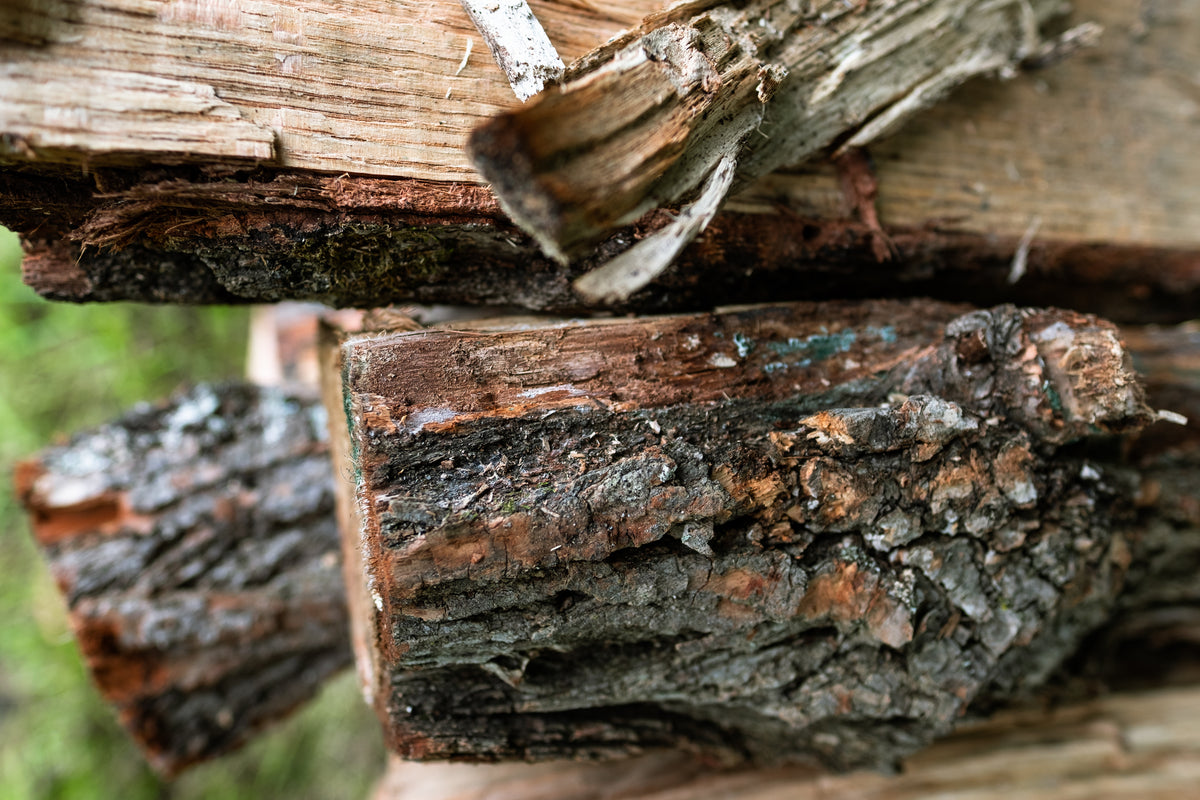
The part of design you feel rather than see
Most design decisions are made with the eyes. Colour, proportion, line. Texture is the one that gets settled by the hand, and it is usually the last thing anybody thinks about.
Open oak grain feels different under the fingers to close walnut. A chamfered edge sits in the hand differently to a square one. A turned and waxed knob reads as an object, where a pressed metal one reads as a fitting. None of that shows in a photograph, and all of it registers the moment somebody opens the drawer.
We design for that moment. It is why our edges are softened rather than sharp, why the OK.5 carries a chamfer along its length, and why we will not lacquer a handle to make it look perfect at the cost of feeling like plastic.
How it is made
Solid timber, hard wax, nothing hidden
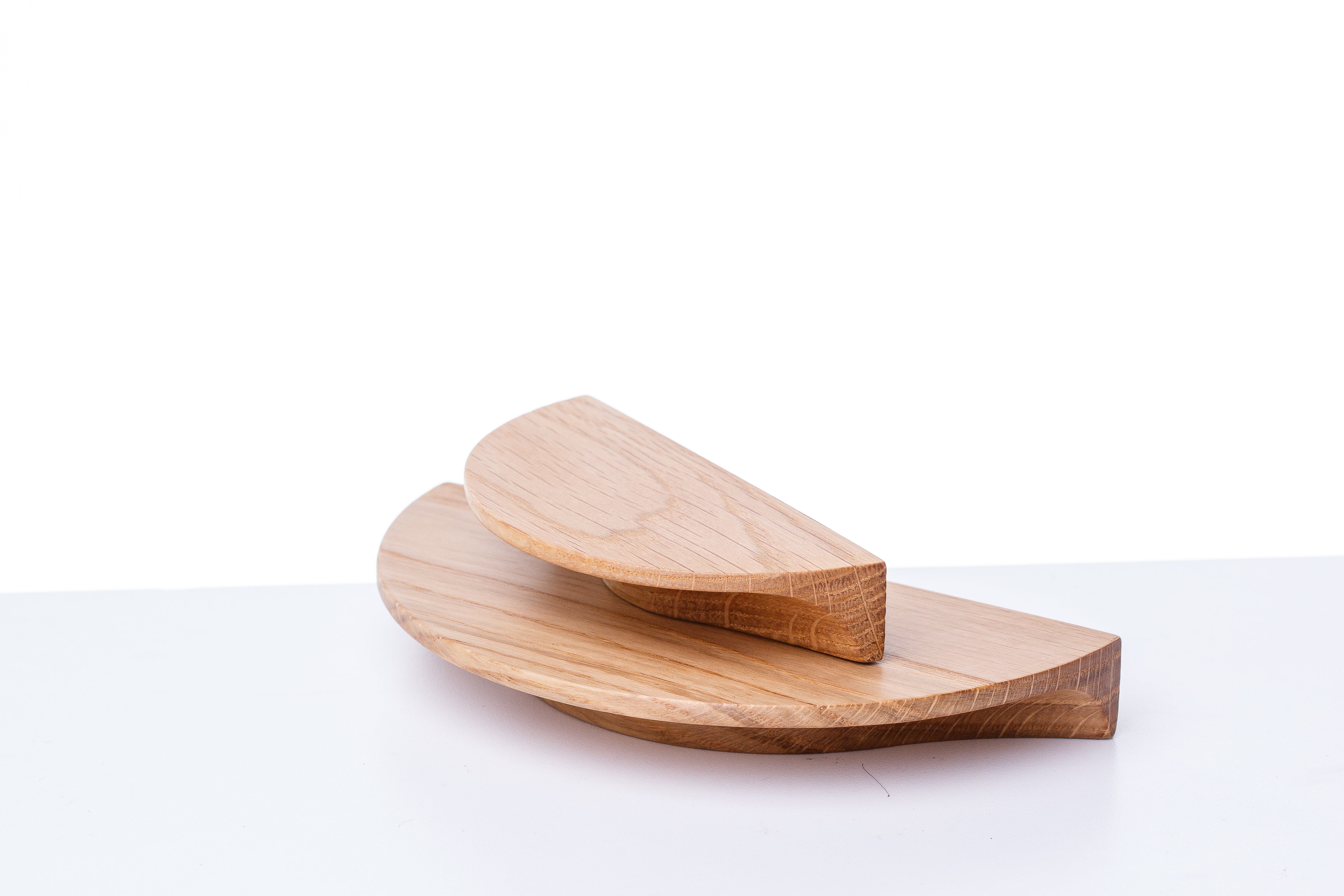
Every handle is solid oak or walnut. Not veneer, not timber effect.
We finish in hard wax rather than lacquer. Lacquer forms a film over the timber that looks flawless until it chips, and then cannot be repaired invisibly. It also flattens the texture, which is the reason for choosing timber in the first place. Hard wax sits in the grain instead, so the surface keeps what it started with.
The trade off is that hard wax asks for a little care. No solvents, no abrasives, no water left standing. In return the timber ages rather than wears, darkening slowly and evenly with handling. Most people find it looks better at year five than it did on day one.
Designed here
Every piece is designed in house, led by Ben, from first sketch through to final prototype. It takes about eight months to bring a handle from an idea to something we are prepared to sell, and most of that is spent holding prototypes and changing things that looked fine on a screen.
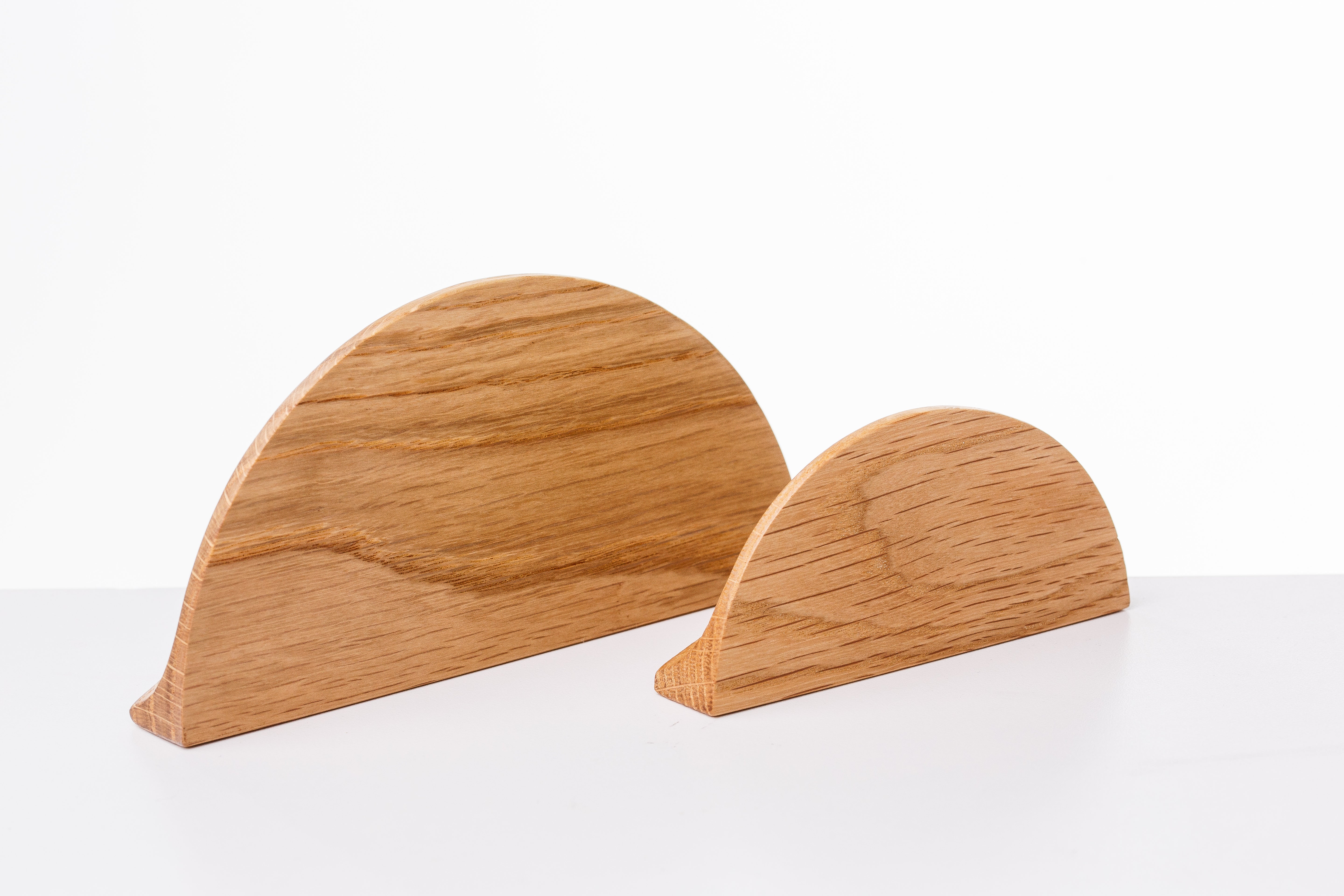
The range is built so it works together. A 28mm knob and a 452mm pull in the same timber and the same finish means one decision can carry through a kitchen, a laundry, a bathroom and a wardrobe without the hardware changing character room to room. That is a deliberate constraint, and it is the thing designers tell us they value most.
Designed and held in stock in Australia.
Trade
Working with the trade
Cabinet makers, joiners, designers and builders can open a trade account for account pricing and priority dispatch. If you are specifying across a whole project, the sample roll holds fifteen pieces in a canvas roll, made for client meetings.